I'm Dale, a local beekeeper with 12 hives based in and around Waterlooville. I've been keeping bees (Apis mellifera) for over four years and am a proud member of both the Portsmouth & District Beekeepers Association, and the British Beekeeping Association.
Bee welfare is at the heart of everything I do. I only harvest honey and other hive products when there's a true surplus, always ensuring the bees have more than enough for themselves. My approach to beekeeping is to be as sustainable as possible, with all proceeds from honey and candle sales reinvested directly into caring for the bees and maintaining their equipment.
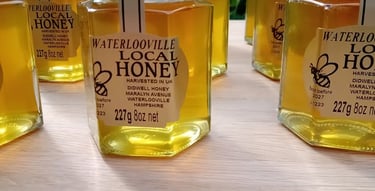
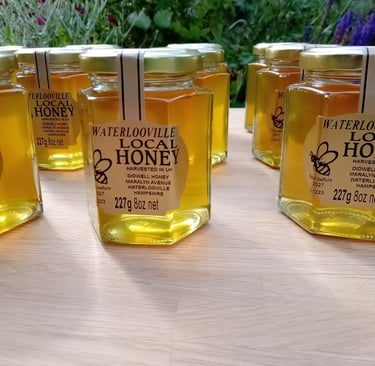
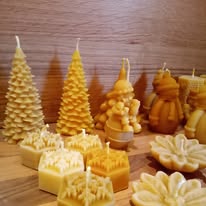
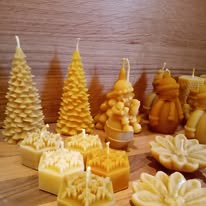
Bee keeping is not always an easy, or a cheap hobby. Choosing locally produced honey and candles is one of a number of ways people can help support our local honey bee populations and beekeepers.
Beekeeping runs much like the allotment season. In spring, colonies expand just as seeds and plants begin to grow. Summer is the time of peak activity, with bees gathering nectar while crops reach full growth and harvest begins. Autumn is about gathering the rewards and preparing for winter, whether storing honey or clearing beds. Winter then becomes a period of rest and planning, for both hives and plots, ready to start the cycle again. Importantly, bees on the allotment are mutually beneficial: they thrive on the diverse forage provided by plots, while in return their pollination boosts the health and productivity of fruit, vegetables, and flowers.
Allotment owners can do a lot to support honey bees. Planting a variety of flowers, herbs, and crops that bloom at different times gives bees a steady source of nectar and pollen throughout the year. Avoiding pesticides and leaving some wild corners or flowers helps provide safe forage. Simple things like shallow water dishes or ponds also give bees a place to drink. In return, the bees’ pollination boosts the health and productivity of our fruit, vegetables, and flowers.
In essence, allotments and honey bees form a mutually beneficial ecosystem: bees gain food and shelter, while allotments enjoy healthier, more productive crops.
Please visit my facebook page 'Hopfield Honey' for pictures and videos of my bees - (20+) Facebook
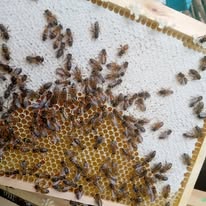
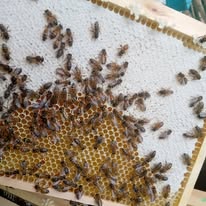
An introduction From Dale - The Bee keeper at North Harbour Allotments
North Harbour Bee Hives
I currently have 2 hives at North harbour. During the active beekeeping season, as colonies of bees grow, their natural instinct is to reproduce. To do this bees swarm, which is where part of the colony splits away with half of the bees to start a new one.
As a bee keeper I can use this instinct to create new hives, by artificially splitting the colony. This is one method I can use to prevent swarming (or try to!) and in turn select bees with desirable traits to breed from, such as calmness or honey production.
So for next year I could have up to 4 hives at North Harbour due to splits, but I will be aiming for about 3 and moving any more than this to my other sites once I know they have split successfully. It is a fine balancing act that tests all bee keepers new or experienced! But ultimately more bees means more pollination and more honey!
In the UK, honey bees are classified as livestock by the National Beekeeping Union (NBU) and DEFRA. So all beekeepers in the UK have a duty of care for their honey bees which includes, ensuring the health and welfare of their bees by managing pests and diseases effectively, Reporting any notifiable diseases or pests to the National Bee Unit (NBU) and following best practices to avoid unnecessary suffering and ensure colonies remain healthy.
Every year, I aim to be a better beekeeper and learn from the previous year. Next year will hopefully be another good season, but the weather, global warming, pests and diseases are all unpredictable and a challenge to beekeepers and allotment owners alike! By thinking of the bees needs first I can hopefully ensure their health and welfare, and if I'm lucky, Melissa the Greek goddess of bees will look favourably on my hives!